
Medically reviewed by Dr. Catherine Nicolaou, DVM.
Short answer: Yes, an indie dog (the Indian pariah, India’s native desi dog) is the best choice for most Indian homes. He is hardy, lives 13 to 16 years, costs ₹0 to 500 to adopt, settles into a flat or a farmhouse just as easily, and is one of the easiest dogs in India to train. Not a mutt or an accident, but a landrace shaped by the land itself.
What is an Indian pariah dog (indie dog)?
An indie dog is India’s own native dog, the Indian Pariah Dog. The word indie is short for indigenous. He is not a mix, a mutt, or an accident. He is a landrace, a dog shaped over thousands of years by the Indian land itself instead of by kennel clubs. You will hear him called many names, desi dog, desi kutta, INDog, pye dog, street dog. They all mean the same loyal, hardy, street-smart friend who has lived beside us since the Indus Valley.
He appears in cave paintings older than most countries. He sleeps at the corner of your colony, follows your morning walk, and asks for nothing but a scrap of roti and a kind word.
Before we tread any further it is worth reiterating, what we so often say here: Please choose to adopt a dog against buying one. The easiest way to start is our city-by-city directory of shelters and animal helplines near you. When you choose to adopt, and not shop, you help rescue a less fortunate pup to a way better life.
What’s more rewarding than that?
Indian pariah dog: the best dog for an Indian home
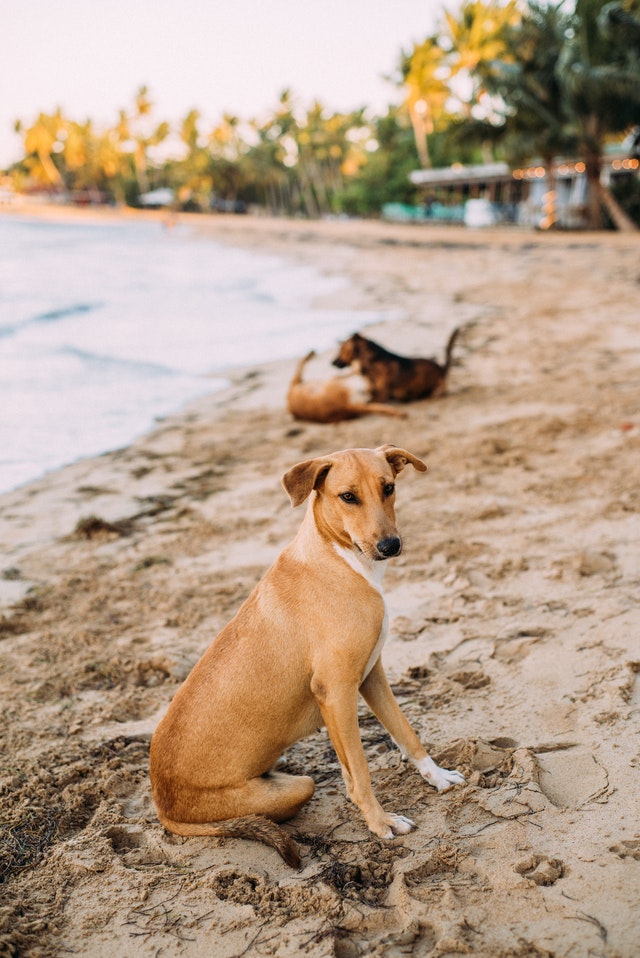
The absolute best dog for an Indian home is an Indian pariah dog. Also referred to as desi, mixed breed, mutt or an indie dog, almost interchangeably.
This native dog breed is also called Desi Dog, Desi Kutta, Indian Feral Dog, Indian Pariah Dog, Indian Pye Dog, Street dog breed as well as South Asian Pariah Dog. The most common dog breed found in India, they got their name during the pre-independence British era.
‘Pariah’ means an outcast – a more misfitting travesty couldn’t have been there — unlike all other exotic breeds, these dogs are native to the Indian subcontinent and make an excellent pet or guard dog.
Indian Pariah Dog at a Glance
| Attribute | Detail |
|---|---|
| Breed type | Landrace (naturally evolved, not selectively bred) |
| Origin | Indian subcontinent (~4,500 years of archaeological evidence) |
| Other names | Desi dog, INDog, Indie, Pye Dog, South Asian Pariah |
| Height | 18–25 inches (45–63 cm) |
| Weight | 15–30 kg (males slightly heavier than females) |
| Lifespan | 13–16 years (notably longer than most pedigrees) |
| Coat | Short double coat, low grooming, sheds seasonally |
| Colours | Usually tan, brown, reddish or black, often with white; heavy brindle or spotting often signals some mixed ancestry |
| Energy level | Moderate to high — needs daily walks and play |
| Trainability | Excellent — quick learners, food-motivated, eager to please |
| Good with kids | Yes (with early socialisation) |
| Good with other pets | Yes (with proper introduction) |
| Apartment-friendly | Yes — adapts equally well to flats or houses |
| Climate suitability | Perfectly adapted to Indian conditions |
| Common health issues | Very few; a hardy natural immunity, helped by an outbred gene pool |
| Grooming needs | Minimal — weekly brushing is enough |
| Approximate adoption cost | ₹0–500 (vs ₹15,000–80,000 for pedigree puppies) |
Indie dog temperament and personality
Alert, social, and quick to read a room
Highly intelligent, and amicable, they’re one of the most versatile and adaptable dog breeds found in India. Desi dogs are loyal, loving, and street-smart.
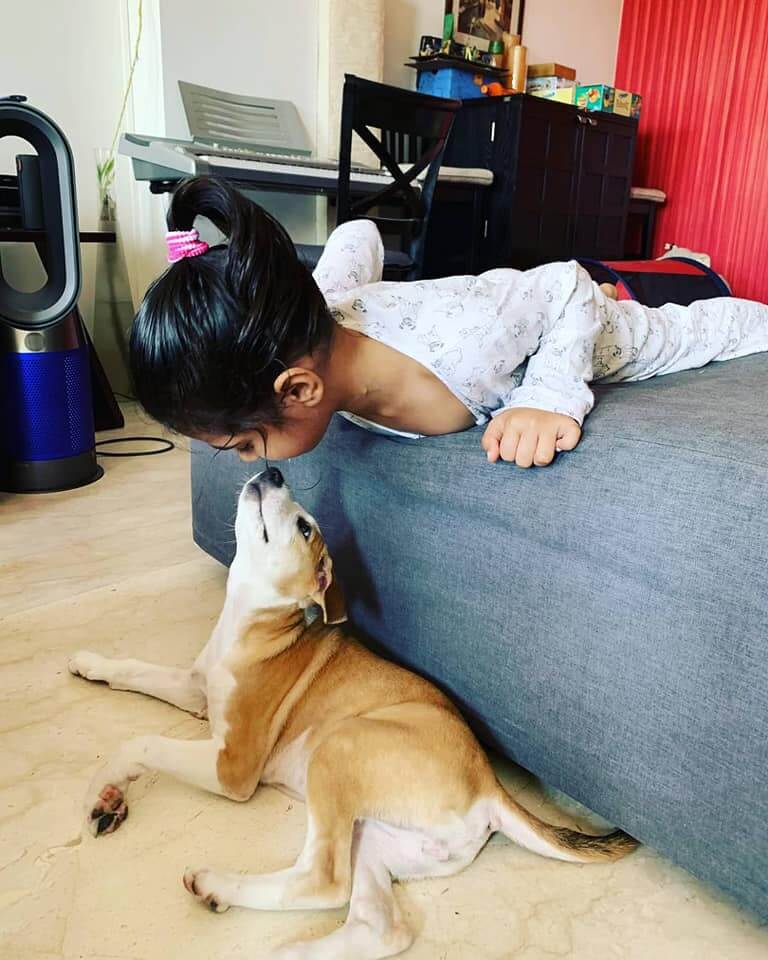
Indian Pariah dogs make for loving family pets and are great with kids and adults. They are high on energy and complement kids with an active lifestyle.
Why indies get sick less often
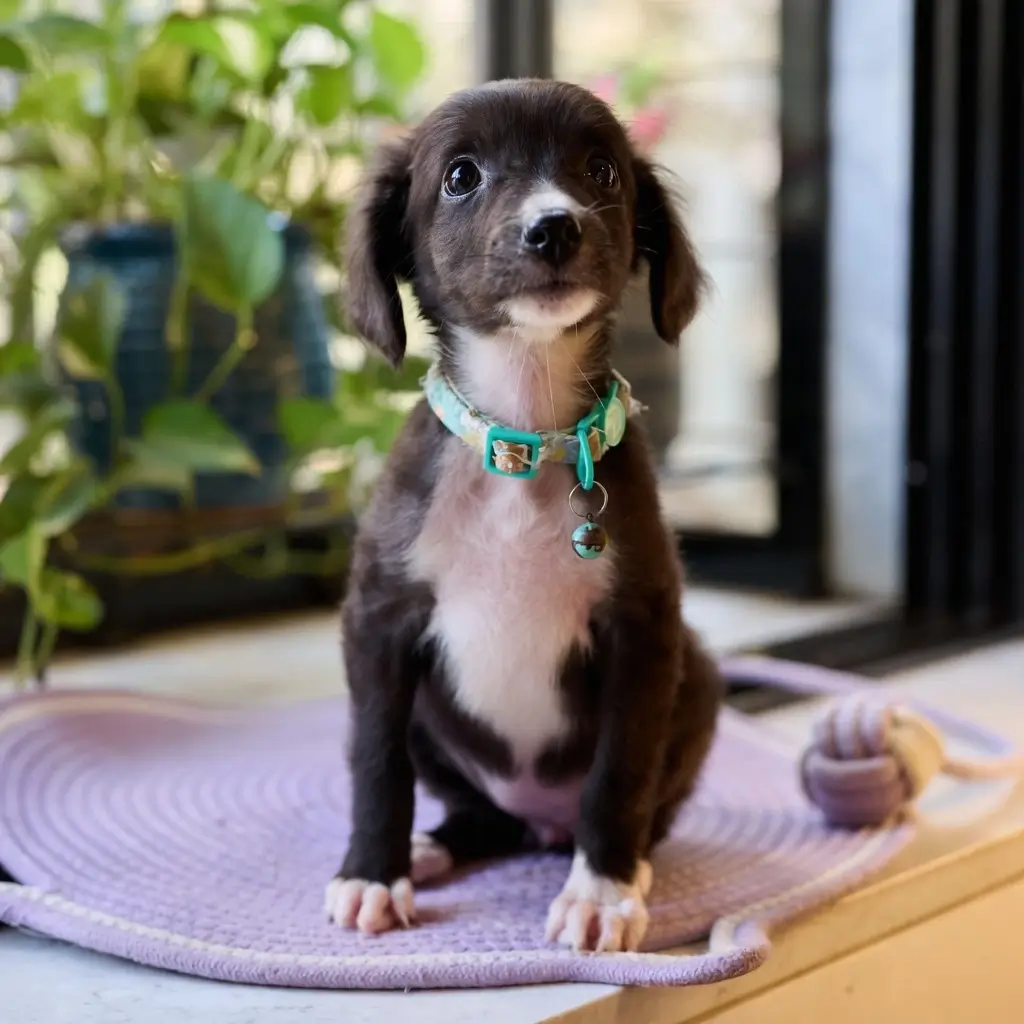
The immunity level of indie dogs is far better than foreign breeds, they’ve perhaps the best gene pool for Indian conditions. Having evolved through the generations to suit themselves to sub-continent conditions, Indian pariah dogs are least susceptible to the diseases that the pedigree often fall prey to.
Science backs this up. A 2022 study in Science that genotyped about 2,000 dogs and surveyed the owners of more than 18,000 found that breed explains only about 9% of the variation in how a dog behaves. So the worry that indies are unpredictable “because they are not a known breed” has it the wrong way round. Socialisation, handling and training shape a dog far more than any label does, which is good news for the pup you meet at the shelter.
Indie dog health and lifespan
This is where the indie quietly wins. Built by natural selection rather than bred for looks, the Indian Pariah Dog carries one of the strongest gene pools of any dog in the country. They rarely suffer the hip, breathing, and skin troubles that follow many pedigrees, and they regularly live thirteen to sixteen years, longer than most foreign breeds.
Your part is simple. Keep their vaccinations and deworming on schedule, feed them well, keep them active, and see a vet once a year for a check up. Do that and an indie will give you well over a decade of company.
What to feed an indie dog
Indies are not fussy eaters. Generations of making do with whatever the street offered have given them a stomach that handles Indian home food better than most pedigrees. That said, a few scraps of roti alone will not keep a dog healthy.
A simple, balanced bowl for an adult indie looks like this:
- A protein base, boiled chicken, eggs, fish, or paneer for vegetarian homes
- A carbohydrate, rice or roti
- Vegetables, carrot, pumpkin, spinach, or beans, lightly cooked
- A spoon of curd for gut health
Feed an adult dog twice a day. Puppies need three to four smaller meals. Keep fresh water out at all times, more so through the Indian summer.
A good quality kibble is fine if it suits your routine and budget, but you do not need an expensive imported brand to raise a healthy indie. Keep onion, garlic, chocolate, grapes, and anything heavy with masala, salt, or sugar far away from the bowl. When in doubt, check with your vet before adding something new.
Indies put on weight easily when several people on a lane feed them. An adult usually weighs 15 to 30 kg, yet Gola, the Hauz Khas street dog who won the Fat Dogs of Delhi contest in October 2026, was reported at 75 kg.
Grooming an indie dog
A weekly brush, and that is the whole routine
Indie dogs are low-maintenance when it comes to grooming and vet visits. Most of them have a short coat which helps withstand India’s tropical climate. They shed through the seasons, but the short, close coat needs little grooming; a weekly brush keeps the loose hair down.
Since they have a short coat, regular brushing is good enough to keep them groomed thus not taking much of your time or effort. Pariah dogs have significantly fewer oil glands on the coat, which helps prevent odour.

Indian dogs or pedigree dogs?
Purebred or pedigree dogs are either bred for a specific purpose – Newfoundlands as water rescue dogs or are native to a specific location – Tibetan mastiff who thrives in the Himalayas but not so in the humidity of Mumbai or summers of Delhi.
“Hankie, my dog, is a native Indian dog. I found him on the streets as a puppy. When she was a puppy I thought she was a guy so named her Hank Bukowski. (That changed to Hankie) Never like the people who buy specific breeds of dogs just because they think it looks good without thinking if the dog is suitable for living where they are. A lot of people don’t even take care of those dogs once they realize you have to put in the effort every day.” ~Suranjan Das
How much exercise does an indie dog need
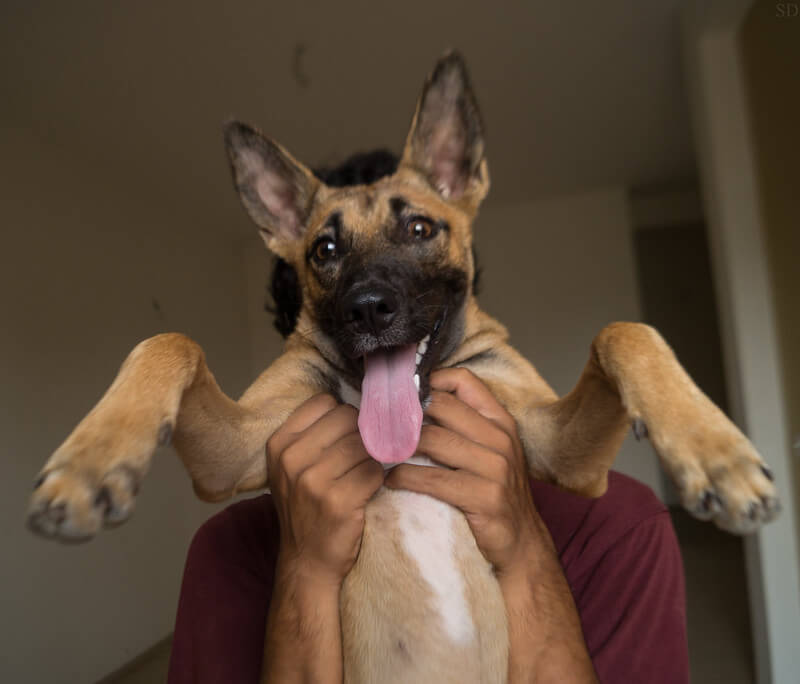
An indie comes from generations of dogs who walked the whole colony every day for their dinner. Yours still has those legs, and a bored indie digs, chews and barks.
For most adult indies, aim for:
- Two walks a day, thirty to forty five minutes each
- A game of fetch or tug to tire the mind along with the body
- A sniff walk now and then, where the dog leads and explores at its own pace
They settle into flat life happily as long as they get out and move. A well-walked indie is a sleeping indie.
Indian pariah dogs are one of the oldest dog breeds in existence today.
Archaeological findings indicate that this dog was in existence some 4500 years ago. Excavations in the Mohenjo-Daro site found in the Sindh region of Pakistan (Indus Valley civilization) revealed a Pariah dog skull dating to 2500 BCE. Also, there are various cave paintings across the Indian subcontinent that hints at pariah dogs to be one of the oldest dog breeds in the world.
“I wish to say a word or two on behalf of the common dog of the country, the unjustly despised Pariah…the true Indian Pariah Dog, mostly red in colour. That we have neglected this animal as a faithful companion, good watchdog, and excellent assistant in many field sports there is no doubt…”
– Lieut. General W. Osborn, in the Bombay Natural History Society Journal, 1903
Why adopt an Indian pariah dog/desi dog?
Indian Pariah dog is the all-rounder for the Indian conditions – temperature to temperament to training. You’d be surprised how smart they are with real-life scenarios, a skill that comes to them by surviving on the mean streets.
The desi dogs are a versatile breed – skilled, sturdy, and well adapted to India’s tropical climate, these dogs make for excellent companions.
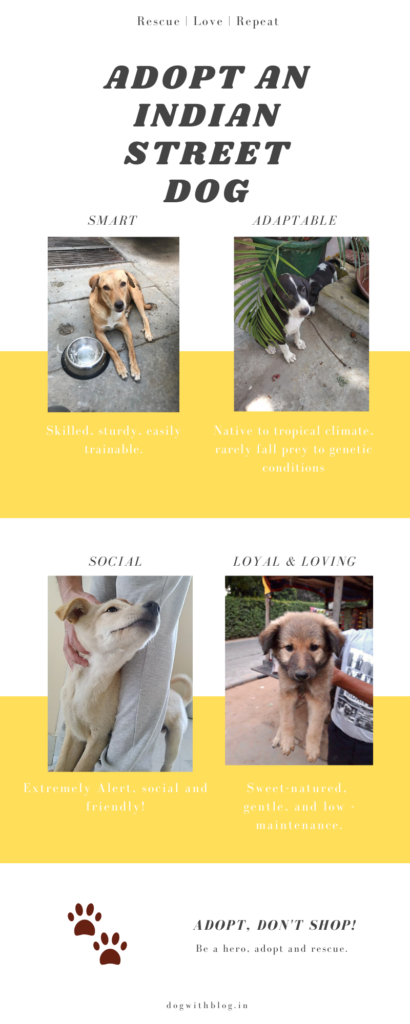
There is no good or bad breed; unfortunately the same can’t be said of the pet parent. If you are looking for a companion in the truest sense, please consider a pariah dog. They may not have an exotic name to call for their breed but then you are getting a best friend, not a handbag.
From a farmhouse to a one-bedroom flat
Adjusted to rural or city life, desi dogs can adapt to farmhouse or apartment living with equal ease.
Why they suit older owners
Senior citizens need dogs who are moderately active and not temperamental. Indian pariah dogs with their friendly demeanor and independent lifestyle make for excellent companions.
Ten years ago, people who adopted an indie were often told, kindly or not, that they had “settled” for a street dog. Walk into a shelter in Bengaluru or Mumbai on a Saturday now and look at who has come in: young professionals, couples who trek and travel, people who have read more about dog nutrition than their vet would like, all of whom looked at the pedigree listings first and came here anyway.
The indie is no longer the dog you take home because you don’t want to spend. It is the dog you take home because you thought it through.
Training an indie dog
Indies are among the easiest dogs in India to train. They are quick, food motivated, and keen to please the person who earns their trust. The Uttarakhand Police and West Bengal Police both proved it, putting rescued strays into elite sniffer squads where they held their own against German Shepherds and Labradors.
Start early and keep it kind. A few things that work:
- Reward what you like, a treat or a word of praise the moment it happens
- Keep sessions short, ten minutes is plenty for a puppy
- Stay consistent with your words and house rules so the dog is never confused
- Socialise from day one, let your pup meet calm people, vehicles, and other vaccinated dogs
- Never hit or shout, fear breaks the bond and slows everything down
An indie who trusts you will pick up sit, stay, recall, and leash manners faster than you expect.
Indian Pariah Dog price in India
This is the easy part. An indie dog costs almost nothing to bring home. Most shelters and rescues ask for somewhere between zero and ₹500, and that usually covers a first vaccination, sometimes sterilisation too. Compare that to ₹15,000 to ₹80,000 for a pedigree puppy.
The real cost of any dog is never the price tag. It is the food, the vaccinations, and the care across all the years that follow. On that count too the indie is kind to your pocket, since they stay healthier and need fewer vet visits than most breeds.
Stray dogs are easily trainable.
Uttarakhand Police adopted a stray dog and trained him alongside other foreign breeds – the Indian pariah dog proved out to be the top-performing member of the dog squad!
Proving once again that all that the stray dogs need, is a chance.
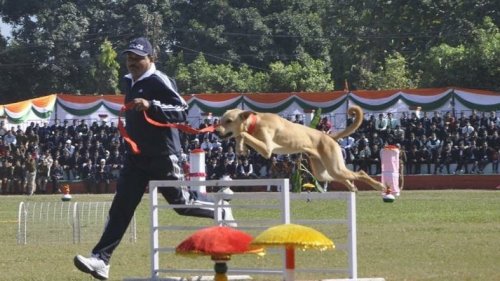
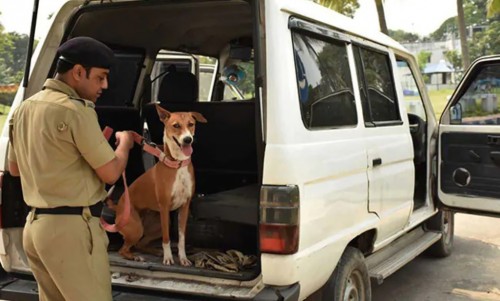
Earlier, a stray dog named Asha (meaning ‘Hope’) was rescued from the stone-pelting children by West Bengal police. She was bleeding when she was taken inside the campus. 18-months later, she has emerged as the top dog in an elite bomb- and drug-sniffing squad.
She proved out to be a match to the police German Shepherds and Labradors, sniffing out drugs and explosives like TNT.
Before you adopt
Adopting a dog is a full-time responsibility. You’d have often heard people drawing parallels like having a dog is like having a child and yet so many new pet parents don’t realize how much work a dog is until they get their first dog.
Unfortunately, what goes wrong, so often is the fact that most people who get a dog don’t really anticipate the dog’s needs. They get a breed that is completely inappropriate for their lifestyle, accommodation or climate. Hence you’d see someone watching Beethoven and opting for a Saint Bernard in a Delhi apartment.
Roll over a few months and you wouldn’t be surprised to see these exotic breeds left tethered to a chain at the gates of the house, their exercise routine soon becomes a pain-point – delegated to kids (who may get bored after some time), then relegated to maids and in worst cases abandoned at shelter homes.
Pictured it? Probably you’d have come across such cases too which aren’t just abjectly inconsiderate but downright cruel.
Look at what has changed in five years: more dog food brands on the shelf, more pet-friendly hotels, airlines letting small pets fly in the cabin, photographers who will shoot your dog for a weekend. What hasn’t changed is what happens when the excitement wears off. Dogs still get surrendered to full shelters, dumped on highways and tied to gates and forgotten, and the spending and the abandonment have climbed together.
The indie takes the worst of that. Give one a real chance, though, and you will see the best of it too.
Where and how to adopt an indie dog
The best part, you do not have to look far. Indies wait for homes in every Indian city, in shelters and on the very streets you walk each day.
Three ways to bring one home:
- Visit a local shelter or rescue. They know each dog’s temperament and will help you match one to your home and routine.
- Adopt a street pup from your own colony. If a friendly litter lives nearby, your vet can guide the first vaccinations and deworming.
- Reach out to independent rescuers on Instagram and Facebook, who foster and rehome indies across the country.
If you are in one of these cities, start here:
We hope you will choose to adopt and be a hero to the homeless. Whichever dog you bring home, take care of her and never leave her, not in the face of Armageddon nor a pandemic.
See: Dog adoption Guide
Indian street dogs are street-smart & social. They’ve perhaps the best gene pool for Indian conditions. https://t.co/gCVsqrRfxQ
— Abhishek Joshi 👨💻🐶 (@kaalicharan) May 14, 2020
They are loyal, loving, and low-maintenance when it comes to grooming and vet visits.
Do you have a desi dog as your friend? 🐕#desidogs pic.twitter.com/cXaXhr60jN
Indie dog FAQ
What is an indie dog?
An indie dog is the Indian Pariah Dog, India’s native landrace breed. Indie is short for indigenous. It is the same dog people call desi dog, desi kutta, or street dog.
Are indie dogs good pets?
Yes. Indies are loyal, intelligent, low maintenance, and well suited to the Indian climate. With early socialisation they are wonderful with children and other pets, and they make fine family dogs and watchful guards.
What is the price of an indie dog in India?
Almost nothing. Most shelters rehome indies for free or for a token fee up to ₹500, which often includes a first vaccination. There is no reason to pay more for a desi dog.
How long do indie dogs live?
Indie dogs usually live thirteen to sixteen years, longer than most pedigree breeds, thanks to their natural immunity and hardy build.
Do indie dogs shed a lot?
They shed lightly through the seasons. The coat is short and close-lying, so a weekly brush is enough to keep hair off your floors.
Are indie dogs aggressive?
No. Indies are friendly and social by nature. As with any dog, behaviour comes down to how they are raised. A loved, socialised indie is gentle and affectionate.
Can indie dogs live in apartments?
Yes. Indies adapt easily to flats as long as they get a couple of walks and some playtime each day.
If this guide helped, please share it with someone considering bringing a dog into their life. The dog who waits for them may not have years to wait.
Bringing home an indie? Give them a name that fits with our dog name generator.
Get more dog stories in your inbox. Join Woofs & Words on LinkedIn.
Subscribe on LinkedIn
Hi team.
Sorry if this looks like pestering, but I recently found out about one of your internships through internshala. I am an Architect Journalist as well as a researcher currently working with animals in Nashik (small city, west of Maharashtra). If you guys are still accepting applications, I’d love to be onboard with you guys and write for you.
Hope this reaches you!
Cheers!
Thanks for writing, Shreya.
We have shortlisted the first list of prospects – will reach out to the longlist if they don’t cut through. Meanwhile, you may drop content/social media reference work at [email removed]
Stay safe!
I’m so surprised with this information!
Can we please call our Indies, HighBreed Indies?! Just a true take on Hybrid! With so many crazily obsessed with “breeds” We need to remember that our own Indies are a super HighBreed (hybrid!), loving, loyal and bursting with healthy hybrid vigour!! HighBreed Indies have a wonderful way of adopting their humans with all their heart and soul.
Just pronounce the “hybrid” as “HighBreed”!!!
I do have an Indian pariah dog and I can vouch that she’s the best dog ever. Desi breed is extremely friendly and loyal. It amuses me how she can communicate with us in her dog gibberish language, literally. Recently she gave birth to three adorable pups who are really fluffy and naughty ( in a healthy way). I feel fortunate that I could befriend this little bundle of Joy! Couldn’t want more!
I would like to adopt an Indian pup( refuse to call it pariah). Just want him to look cute. That matters to me. Can you help?
hi, Contact local NGOs working for animal welfare they will help you adopt one. Check out Animals with humanity on instagram it is one such NGO that helps with dog, kitten adoption and supports indies <3
Ok I am Thinking I will adopt a Pariah Dog
I live in New Jersey. How do I know I’m getting a Indian Pariah dog? And where do I get one?
Hi, I doubt there will be Indian pariahs in the USA. I’m sure you could find good mixed breeds for adoption from any shelter in your state.If you are keen to get an Indian pariah, some animal shelters in India could arrange to have any dog you choose flown to you.Kannan Animal welfare group or Resq (based in Pune) should be able to help you out. Good luck!
Hey Tom, nice to hear about your interest. It would be practical to get in touch with an Indian dog group on Facebook. Narrow down on a metro city (because there is more awareness, more resources and a generally better understanding of formal processes required.)
To give you a few pointer lookup:
1. SAW (Sinhagad Animal Welfare) Pune, Maharashtra, India.
2. RESQ Pune, Maharashtra, India.
Another good place to adopt would be Delhi.
I’m not positively sure my dog is an Indian Pariah dog but she really looks and has the characteristics of one. How can I be sure?
Tom, I stumbled upon my Indian Pariah dog through a rescue group in PA. She had been sent to US via an Indian rescue group. She is an curious, exuberant, & smart dog. Her bark and vocals are unique and humorous. Love her more every day.
Hii i have an indie breed puppy I love it 🐕🐶
Are there any cons for indies. I live in India and have done research for adopting this type of dog. Also are there any good places to adopt in and around Hyderabad.
Great to know that you are considering adopting an indie. There are no cons as given a chance at life and love, desi dogs prove to be amazingly loving. You may want to get them vaccinated in consultation with your vet. Hyderabad dog adoptions
I really love your thoughts. The very first thing I liked was that you write about “India Pariah Dog and the second one you approach people to adopt dogs not buy. Excellent!
In India, many people hate these desi dogs I don’t know why. They show love and affection to their pet dogs but don’t love other’s dogs or street dogs which makes me sad. If someone in India wants to become a first-time pet parent, he should adopt an “Indian Pariah Dog.”
Thanks for this great post!
Look for similar island dogs like PotCakes. There are many available in the US rescue system. All mixed breeds around the world look similar, are generally similar and are wonderful pets!!!
Excellent article encouraging people to value and adopt Indies! Thank you!
I have a Indian Pariah pup, named TOBI. I saved from streets. I am currently fostering him…he is 56+ days, he is very playful and obedient. He is just too young to be trained but he already understands certain words like No, Come here, Go, Chew bone e.t.c…tbh I was amazed by his learning skills. Indies are no different from breed dogs apart from the way they look . indies are actualy born in india as per india weather thus they don’t have too much of fur on them and people hate them becauze of there looks which I hate. As I am fostering tobi I have e been looking for an forever home for him where he can be happy,safe and healthy but trust me nobody is coming forward because he is an INDIE. what a pity.
Why aren’t you keeping the puppy with you?
Lovely article. I adopted a male indie about 2 months back while returning from a relative’s place. The dude happily but cautiously sat on the tank top of my 2 wheeler. The vet established he was 3 months old when I adopted him. The guy can sprint so fast and I just wish there was a big open space here in Chennai where he could realise his full wild side.
The general misconception with people is that they are street dogs and thrive well in the roads which I beg to differ. Lack of access to drinking water especially during Summers and scarcity of food can drive them to death, in addition to injuries inflicted from vehicles or when pelted with stones.
Blue Cross, Gov of India and animal NGO’s should bring in more awareness about the good qualities of adopting native breeds and in general animal care. A single individual like myself can afford to foster one dog only owing to space constraints. If more individuals, could come in the Indian Pariah can get an image change as a adaptable pet rather than a dangerous feral. Personally I wish, after my retirement from corporate life I have a big farm filled with these beautiful companions.
I have adopted an Indian pariah dog and brought her to Europe. At the age of 16 she is still healthy and going strong, running, jumping, climbing etc. I wish people appreciated these wonderful dogs more.
If possible keep TOBI with you. Please don’t let him suffer from seperation anxiety. We have 2 great friends with us, the Mother and her daughter. Mother was rescued when she was pregnant and injured about 2 and half years ago. The mother & daughter, PUCHKU, sleep on my bed. They are the custodians of our farm where we live. We can’t think of our lives without them.
So sweet Amit 👏👏
This is an incredibly beautiful article Abhishek. Lovely!!
P.S. I have a pug. The naughtiest guy in the world and the undisputed KING of our house…
Very useful article, mainly for youth who think foreign breeds are the best just because of their looks.
My son brought a pariah dog to the US from Sri Lanka. Very well behave
What about lazy church potatoes like me ? I mean I stay indoors all days apart from my morning walks … I do not like going out much and spend all my time at home ? Is this dog good for me too ?
Definitely, i have one.
Make sure to adopt a puppy not an adult or grown pooch.
Whatever your living is…make him/her habitual to it from very beginning.
Try to choose a lazy / less active pup specifically for your case(same as mine) bcoz indian pariah are already full of energy.
Yes Pawan Kumar ji it has immense patience and understanding doesn’t demand much
I have a pariah dog, I named it olive, olive is very kind n affectionate, i love my olive very much.