
Medically reviewed by Dr. Catherine Nicolaou, DVM.
Your dog used to bolt for the door at the sound of the leash. Now he takes a moment to get up, stretches his back legs, and walks to you steadily instead of at a run. You almost miss it the first time. Then it happens again.
Aging in dogs doesn’t announce itself. It’s a slow shift — a slightly slower pace on the morning walk, a new preference for the cool floor over the sofa, eyes that go a little cloudy at the edges. What follows is a guide to what that shift looks like, what it means, and what to do about it, written for dog owners in India, where the heat, the breeds, and the vet costs are different from anywhere else.
Signs your dog is aging
Most owners notice the physical signs first. Greying around the muzzle and eyes — it shows earliest on dark-coated dogs. Stiffness in the back legs after sleep, particularly in the morning or after a long session on the floor. Cloudiness in the eyes (often nuclear sclerosis, not the same as cataracts — though both happen with age). A slower pace on walks, sometimes a slight limp. A new tendency to sleep more heavily than before.
The behavioral signs are quieter. Your dog may take longer to respond when you call them. They might seem confused momentarily in familiar spaces, or startled by sounds that wouldn’t have bothered them before. Appetite can drop. Some dogs become more clingy; others more withdrawn.
None of these are emergencies on their own. Taken together, they are your signal that your dog has moved into a different phase.
When is a dog considered senior?
There’s no single age that defines a senior dog — it depends on size and breed. Smaller dogs age slower; larger dogs age faster.
| Size | Breeds (common in India) | Senior from |
|---|---|---|
| Small (under 10 kg) | Dachshund, Spitz, Pomeranian, Pug | 10–12 years |
| Medium (10–25 kg) | Beagle, Cocker Spaniel, Indie dog | 9–11 years |
| Large (25–40 kg) | Labrador, Golden Retriever, Dalmatian | 8–10 years |
| Giant (40+ kg) | German Shepherd, Great Dane, Saint Bernard | 6–8 years |
One Indian footnote: Indie dogs (Indian Pariah Dogs) age differently from purebreds. Decades of natural selection have produced dogs with fewer hereditary conditions — notably lower rates of hip dysplasia and certain cancers — and they often remain active well past the ages when breed dogs of similar size begin slowing down. An Indie at 11 is not unusual to find in better shape than a Labrador at 9.
What changes as your dog ages
Physical changes
Metabolism slows and muscle mass reduces. Joints lose cartilage. The immune system weakens, making infections harder to fight off. Kidney and liver function gradually decline — this matters because it affects which medications are safe at what dose. The digestive system becomes less efficient; food that worked fine at 4 may cause loose stools or gas at 10.
Heat tolerance drops significantly. In India, this is important: an aging dog comfortable in Mumbai’s April heat at age 5 may show distress at the same temperature at age 10. Senior dogs in hot climates need more shade, more water, and shorter outdoor windows during peak heat hours (11am to 4pm).
Cognitive changes
Canine Cognitive Dysfunction (CCD) — sometimes called dog dementia — is more common than most owners realize. Research suggests it affects around 50% of dogs over 11 years to some degree.
Early signs: disorientation in familiar spaces, forgetting commands they’ve known for years, disturbed sleep cycles (awake and restless at night, sleeping during the day), standing in a room as if they’ve forgotten why they came in. Some dogs become less responsive to their name.
CCD is not curable, but it is manageable. Keeping routines predictable, maintaining mental stimulation through puzzle feeders and new smells on walks, and asking your vet about supplements or prescription medications can slow progression. If your dog is showing these signs, mention it at the next vet visit — don’t wait for a crisis to bring it up.
Caring for an aging dog
1. Feed what an aging body needs
As metabolism slows, caloric needs drop. Feeding a 10-year-old Labrador the same quantity you fed him at 4 leads to weight gain, which loads already-stressed joints and worsens arthritis faster than almost anything else.
Switch to a senior formulation, or reduce portions in consultation with your vet, and shift toward: higher protein (senior dogs need good protein to maintain muscle mass — older thinking said less, current evidence says more), lower fat and carbohydrates to manage weight, more fiber for aging digestive systems, and omega-3 fatty acids for anti-inflammatory and joint support.
If your dog has kidney disease, phosphorus restriction matters. Heart disease calls for low sodium. Your vet will guide this based on bloodwork — don’t adjust protein or phosphorus significantly without a diagnosis first.
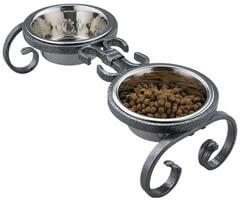
Elevated food and water bowls reduce the strain of bending for dogs with neck or joint issues. In Indian homes where floor-level feeding is standard, this is a small adjustment with real daily impact.
2. Keep them moving
Exercise is not optional for aging dogs — it is one of the primary tools for managing joint health, mental stimulation, and weight. The form changes. The fact of it doesn’t.
Swap long runs for shorter, more frequent walks. Swimming, if accessible and if your dog tolerates it, is excellent — it builds muscle with almost zero joint impact. Mental exercise (new smells, gentle training, puzzle feeders) matters as much as physical movement for cognitive health.
In India’s heat: walk before 8am and after 6pm. Asphalt holds heat — test the pavement with your palm for 5 seconds. If it’s uncomfortable for you, it’s burning your dog’s paws. Avoid high-impact play for dogs showing joint pain — fetch with sudden stops, stairs taken at speed, jumping.
3. Vet visits every 6 months
Adult dogs need annual check-ups. Senior dogs need them every 6 months. This is the difference between catching kidney disease at stage 2 versus stage 4.
A senior check-up should include bloodwork (kidney and liver function, thyroid — particularly for Labradors and Golden Retrievers, who are prone to hypothyroidism), urinalysis, dental examination, weight check, and a joint assessment. In India, a senior panel at a good private clinic runs ₹1,500–3,500 depending on city and what the bloodwork includes.
| Condition | Early Signs | What to Watch |
|---|---|---|
| Arthritis | Stiffness after rest, reluctance to jump or climb stairs | Worse in cold or damp weather; ask about NSAIDs |
| Cataracts | Cloudiness, bumping into objects at night | Different from nuclear sclerosis — your vet can tell |
| Dental disease | Bad breath, drooling, pawing at the mouth | Untreated, bacteria enter the bloodstream and stress kidneys |
| Kidney disease | Increased thirst and urination, weight loss | Caught early, diet changes slow progression significantly |
| Hypothyroidism | Weight gain despite normal diet, lethargy, hair loss | Common in Labradors and Golden Retrievers |
| CCD (dog dementia) | Disorientation, disturbed sleep, forgetting known commands | Manageable if caught early — mention it at your next visit |
4. Make your home easier to navigate
Ramps instead of steps for getting on sofas, into cars, or navigating split-level apartments. Anti-slip mats on tiles and marble floors — the most common flooring in Indian homes, and very hard on dogs with joint issues. An orthopedic bed appropriate to the dog’s size, not a thin mat on the floor.
Move the sleeping spot away from direct air conditioning or fan drafts — senior dogs feel cold more sharply. If your dog is losing vision, don’t rearrange furniture. They navigate by memory, and consistency is the accommodation.
5. Grooming needs change
Older dogs are more prone to skin issues. Matting traps moisture and causes irritation, and a weakened immune system is less able to fight the resulting infections. Check under the tail, the underarms, and belly folds regularly.
Ticks and fleas hit harder on a senior dog’s compromised immune system. Stay on preventatives year-round — in India, tick season doesn’t reliably end. Nails grow faster in dogs who walk less; overgrown nails change how a dog distributes weight when standing, which accelerates joint stress.
6. Look after dental health
Dental disease in senior dogs is not just about bad breath. Bacteria from infected gums enter the bloodstream and strain kidneys and liver already under age-related pressure. A dog at 11 with severe dental disease is a dog with multiple system stress.
Brush teeth if your dog tolerates it. If not, dental chews and water additives help. Annual dental cleaning under anesthesia — your vet will assess safety based on bloodwork. Don’t skip it out of anesthesia anxiety; in most cases, the disease risk is higher than the anesthetic risk.
7. Be there
The most underrated part of senior dog care is presence. Dogs who are slowing down are not asking for less — they’re asking for different. A shorter walk you actually take beats a long one you plan for later. Sitting with them in the evening, the way they sat with you through everything. Not trying to make them into their younger selves.
Arthritis and joint pain in aging dogs
Osteoarthritis (OA) is the most common chronic condition in senior dogs. Not curable, but managing it well makes a significant difference to daily life.
Diagnosing OA isn’t always straightforward. Dogs hide pain — some show no limp at the vet’s office that is obvious at home. Video your dog getting up from a rest, walking down stairs, or moving after a long sleep. Show it to your vet. This is more diagnostic than the consultation room floor.
Your vet looks for joint pain on palpation, a crunching sound when the joint moves (crepitus), reduced range of motion, and muscle wasting around the affected joint. X-rays under sedation give the clearest picture, but many vets start treatment on clinical signs when the presentation is clear.
Weight is the lever with the most impact. A 10% reduction in body weight in an overweight dog with OA produces measurable improvement in mobility within weeks. It’s free, has no side effects, and is the first thing to address.
Exercise modification: short, frequent walks over long infrequent ones. Avoid surfaces requiring sudden direction changes. Swimming if available and tolerated. Ramps for elevated surfaces — getting on and off sofas and car seats produces peak joint stress. A good ramp costs ₹800–2,000.
Medications and supplements for aging dogs
NSAIDs (non-steroidal anti-inflammatory drugs) are the standard first-line medical treatment for OA pain. Common options available in India through veterinary prescription include Carprofen, Meloxicam, and newer COX-2-selective drugs. All require bloodwork before starting and every 6–12 months ongoing — they are metabolized by kidneys and liver, which are already under age-related stress.
Do not give human NSAIDs to dogs. Ibuprofen and aspirin cause gastric ulcers and kidney damage in dogs. Paracetamol is lethal in cats and toxic in dogs.
Joint supplements: the evidence for glucosamine and chondroitin is weaker than the marketing suggests. If you’re using them, buy pharmaceutical grade — not human health-store products, which are often under-dosed for dogs. Omega-3 fatty acids have better evidence for anti-inflammatory effect. Fish oil is the most available form in India; ask your vet for the dose appropriate to your dog’s weight.
Newer options: Librela (a monoclonal antibody injection for OA pain) is now available in some Indian vet clinics in metro cities. Monthly injection, different mechanism from NSAIDs, no liver or kidney metabolic burden. If your dog doesn’t tolerate NSAIDs well or bloodwork is borderline, ask whether it’s available in your area.
The priority order: accurate diagnosis first, effective pain control second, supplements as an addition rather than a substitute. A dog on a correctly dosed NSAID who is still clearly uncomfortable needs a vet conversation, not a new supplement.
When your aging dog moves toward the end
Every owner caring for a senior dog carries a quiet awareness of this. At some point, aging becomes something closer to the end, and the care shifts again.
The signs that a dog is approaching end of life — significant weight loss despite eating, withdrawal from family, labored breathing, inability to get comfortable, loss of interest in things they loved — are different from the normal signs of aging. We’ve written about what to do when your dog dies in India, including cremation and burial options, city-by-city contacts, and what families can expect.
If you’re already in this stage, Brownie’s story and the words people have found worth keeping are there when you need them.
Questions people ask about aging dogs
How do I know if my aging dog is in pain? Watch for changes in movement rather than vocalizing — most dogs don’t cry out. Reluctance to jump, stiffness after rest, a change in how they hold their body when standing, and irritability when touched in a specific spot are the main signals. Video a typical morning and show it to your vet.
What is the best diet for an aging dog? High protein, lower fat and carbohydrates, more fiber, omega-3 fatty acids. Senior formulations are built around this. If your dog has a diagnosed condition, the diet changes further — work with your vet on a tailored plan rather than switching formulas on your own.
How often should senior dogs see the vet? Every 6 months, with bloodwork. Annual visits are for adult dogs. Senior dogs change faster; half-yearly check-ups catch issues at a stage where intervention is still possible.
Can I give my dog the same supplements I take? Some overlap safely — fish oil at vet-recommended doses is fine. But many human supplements are wrongly dosed for dogs, and some are toxic (anything containing xylitol, certain herbal products). Confirm with your vet before adding anything.
Get more dog stories in your inbox. Join Woofs & Words on LinkedIn.
Subscribe on LinkedIn
There are people, old age homes, etc to look after aged people, not dogs or other animals. I have seen many people abandoning their dogs after they become old. Dogs being loyal to humans, need better care in their old age.
Glad u wrote about pet care. This field is usually neglected.
Great article
it’s important to know this tips for taking care of senior dogs
Thank you for sharing.