
Medically reviewed by Dr. Catherine Nicolaou, DVM.
The gap between a scare and a tragedy is often the ten minutes before you reach the vet. A dog slices a paw on an evening walk, swallows something off the kitchen floor, or wilts in the June heat, and what you do in those first minutes counts. A basic first-aid kit and a clear head are what buy your dog that time.
What a dog first-aid kit needs, in short: gauze and bandages, antiseptic, a digital thermometer, tweezers, styptic powder, a blanket, saline, gloves, and your vet’s number plus a copy of your dog’s records. First aid does not replace a vet. It keeps your dog stabler and safer on the way to one.
What to pack in a dog first-aid kit
Bandages and Dressings: These are essential items to have in your dog’s first aid kit, and include gauze pads, bandage tape, and elastic bandages.
Antiseptic Solution: Antiseptic solutions are necessary to clean wounds, cuts, and scrapes. You can use hydrogen peroxide or betadine solution for this purpose. It can prevent infection, relieve pain, and protect against bacteria and germs for minor cuts and scratches.
Scissors and Tweezers: Scissors can be used to trim fur around a wound while Tweezers help with removing splinters and ticks.
Medications: Include medications that have been prescribed by your vet, such as pain relievers, anti-inflammatories, and antibiotics.
Gauze, tape, scissors, and rubber gloves: Gauze can control bleeding, brace fractures, and even work as a makeshift muzzle. Tape and scissors help make solid bandages, and rubber gloves protect against bodily fluids.
Thermometer: A digital thermometer can be used to monitor your dog’s temperature in case of fever. Always take your pet’s temperature rectally, never orally. Keep a pet thermometer in your first aid kit for accurate temperature readings.
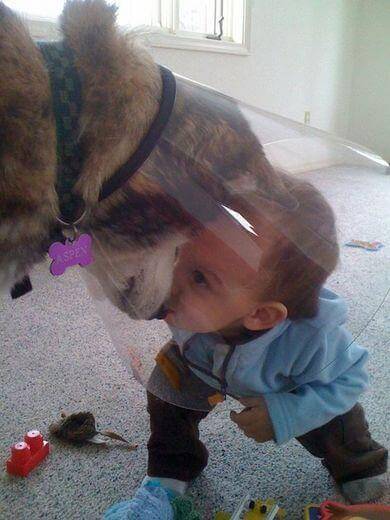
An Elizabethan collar, also known as a cone of shame: If your furry friend starts scratching their ears excessively or chews on themselves until they bleed, you can use the collar to prevent further injury until you can get them to a veterinary clinic. Investing in a good quality e-collar can be a cost-effective decision as they are durable and can last a long time, particularly for adult pets.
Pro tip for dog owners: keep a spare pair of socks in your first aid kit in case of a foot injury. Wrap the foot with bandage, slip on the sock, tape it up, and your furry friend can walk out safely.
3% hydrogen peroxide in a syringe dosed according to your dog’s body weight (2 tbsp per 30 pounds), that induces vomiting if your dog ingests something harmful. Consult a vet before inducing vomiting since some stuff (like chemicals or sharp objects) may cause issues if vomited up.
Ever cut your dog’s nails too short? Styptic powder can save the day by quickly stopping the bleeding. This coagulant is a must-have in your pet’s first aid kit.
A soft blanket or micro-fiber towel: to help calm an injured pet and prevent bites or scratches. A blanket or towel also provides a comfortable surface for examination in difficult terrain.
Don’t forget to include your pet’s medical record and emergency phone numbers of vet, for animal poison control etc. in the first aid kit. This info, including vaccination history and medicines can be lifesaving in urgent situations.
In an emergency: your first moves
No one likes to think about their beloved furry friend getting injured or sick, but it’s always better to be prepared than caught off guard. Knowing what to do in a crisis can mean the difference between life and death. Here are some steps to follow in an emergency situation with your dog:
- Stay calm and assess the scene – The first thing to do in an emergency is to stay calm and assess the situation for any additional threats to you or your pet. If you’re in a public area, try to keep your dog away from crowds or traffic.
- Check your dog for injuries and avoid moving them too much, especially if they may have broken bones or neurological issues.
- Contact your veterinary hospital and inform them of the situation. They can give you specific first aid advice and tell you what to do next.
- Safely move or transport your injured dog – To safely move or transport an injured dog, it’s best to get someone to help you. For a small dog, put them into their carrier. For big dogs, make a stretcher using a strong piece of wood. Put a blanket or coat on it and move your dog gently to the carrier, box, or stretcher.
- Get to a veterinary hospital as soon as possible – Time is critical in an emergency, and the quicker your dog receives treatment, the better their chances of survival.
How to Use Your Dog’s First Aid Kit?
Assess the Situation: Before administering any first aid, it’s important to assess the situation and determine the severity of your dog’s injury.
Clean the Wound: Use an antiseptic solution to clean the wound thoroughly.
Control Bleeding: If your dog is bleeding, apply pressure to the wound using a clean cloth or gauze pad. Elevate the affected area if possible.
Bandage the Wound: Use gauze pads and bandages to secure the wound, being careful not to wrap too tightly.
Monitor Your Dog’s Condition: Keep a close eye on your dog’s condition and seek veterinary attention if necessary.
A dog first aid kit is an essential item for every pet owner. By being prepared and having the necessary supplies on hand, you can provide your dog with the immediate care he or she needs in case of an emergency. Remember, first aid care is not a substitute for veterinary care but it may save your pet’s life until veterinary treatment is available.
Building a well-stocked first-aid kit for your furry friend can go a long way in ensuring their safety during unexpected emergencies. We hope this list of essential items would help you prepare a comprehensive kit for your pet.
Did we miss any important items that you always keep in your pet’s first-aid kit? Let us know in the comments below! Remember, being prepared is key to keeping your furry friend safe and healthy.
Common dog emergencies, and your first move
First aid buys time, it does not replace the vet. For any of these, the plan is the same: act, then get to a clinic fast.
- Bleeding: press a clean gauze pad firmly on the wound for a few minutes without lifting it to peek. Keep the pressure on all the way to the vet.
- Choking: if your dog is pawing at its mouth and struggling to breathe, look inside only if you can do it safely, and sweep out anything visible without pushing it deeper. Do not blindly force your fingers down the throat.
- Suspected poison: if your dog has eaten something toxic, call your vet or a poison helpline before you do anything, and do not force vomiting on your own, since some poisons do more damage coming back up. Our guide to dog vomiting covers when it is an emergency.
- Heatstroke: in an Indian summer this is a real killer. Move the dog into shade, wet it with cool (not ice-cold) water, offer small sips, and drive to the vet. Heavy panting, drooling and collapse are red flags.
- Seizures: do not restrain the dog or put your hands near its mouth. Clear hard objects away, dim the room, time the fit, and call the vet once it passes.
- A bite or a road accident: approach carefully, because even a gentle dog may snap in pain. Use a towel or a makeshift muzzle if needed, support the body as you lift, and go straight to a vet. Treat any bite from an animal whose vaccination you cannot confirm as a possible rabies exposure.
- Breathing hard or fast at rest: laboured breathing even when your dog is calm and not exercising is not something to wait out. It can point to pneumonia or a serious cause behind a cough that looked minor at first. See our guide to kennel cough in dogs for how to tell an ordinary cough from one that needs same-day care.
What never to do
Some well-meant home fixes cause more harm than the injury did. Never give your dog human painkillers such as paracetamol or ibuprofen, which are toxic to dogs even in small doses. Do not force vomiting without a vet’s say-so. Do not clean a deep wound with anything but saline or a vet-approved antiseptic. And do not wait out a serious symptom to see if it settles. If you are unsure, your city animal helpline can point you to the nearest emergency clinic, and keeping your dog’s vaccinations current is one less thing to fear in a crisis.
Get more dog stories in your inbox. Join Woofs & Words on LinkedIn.
Subscribe on LinkedIn